Research
6–9 minutes
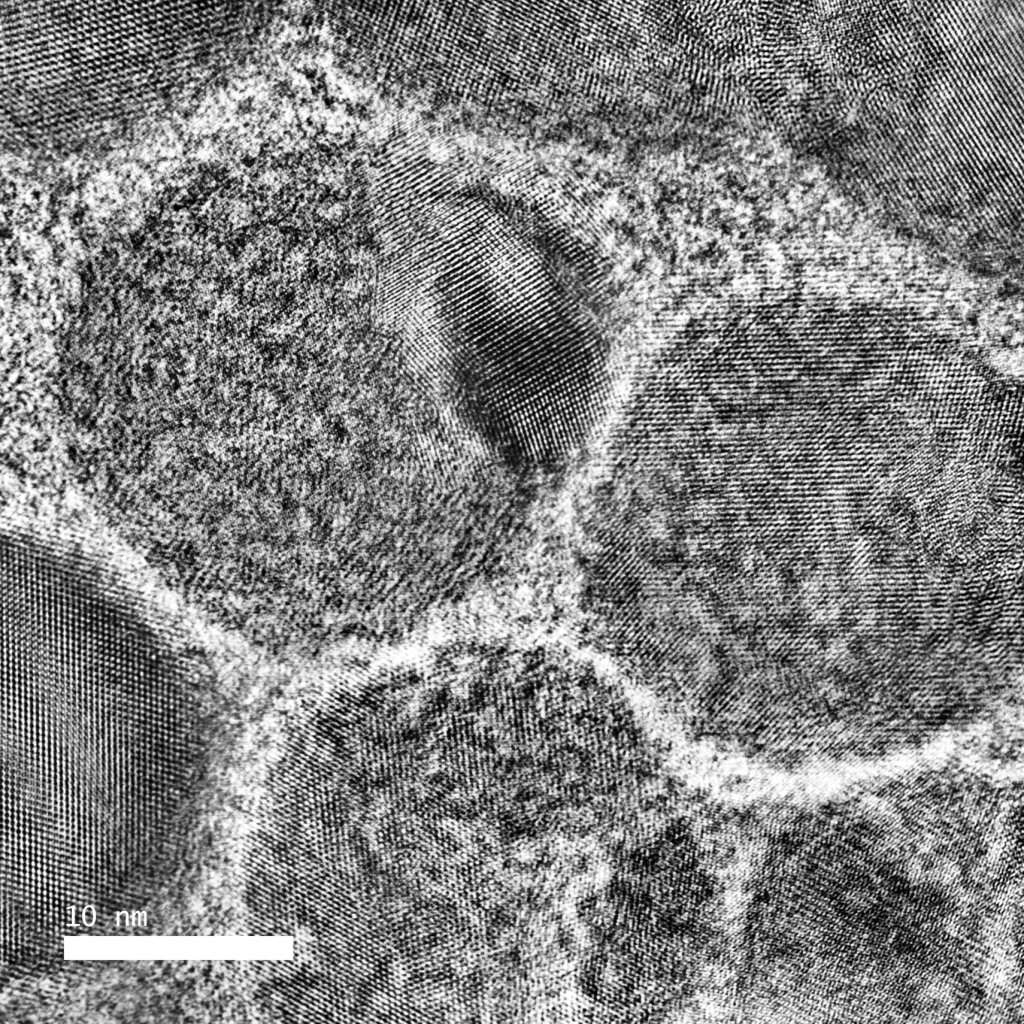

Metastable Ionics, Interfaces, and Data-Guided Materials Discovery
Colloidal Nanocrystals • Solid Electrolytes • X-ray and electron microscopy • Electrochemical transport• Data-guided discovery
PBEnergyLab studies how non-equilibrium synthesis, nanoscale disorder, interfaces, and processing history control ion transport in nanocrystal-derived solid-state materials.
Our group develops colloidal and nanocrystal-derived materials as model systems for understanding metastable phase formation, nanoionic transport, interparticle contacts, polymer–nanocrystal interphases, and structure–property relationships in solid electrolytes and electrochemical materials. We combine synthetic inorganic chemistry, X-ray and electron microscopy, electrochemical impedance spectroscopy, thermal analysis, and data-guided interpretation to build experimentally grounded design rules for ion-conducting materials.
How can colloidal synthesis be used to access metastable structures, defect landscapes, and interfaces that enable useful ion transport in solid-state energy materials?
This question connects four linked directions: phase discovery, nanoionic transport, microscopic disorder, and processable electrolyte architectures.
Metastable_nanocrystal_synthesis, #Chalcogenide_nanocrystals, #Phase_mapping, #Data-Guided_Discovery, #Advanced_CharacterizationPBEnergyLab uses colloidal and non-equilibrium synthesis to access nanocrystal phases that are difficult to isolate by conventional solid-state routes. We map how reaction pathway, composition, and thermal evolution control phase selection, structural disorder, and ion-transport potential.
Figure 1: Colloidal synthesis maps reveal how kinetic reaction pathways select metastable nanocrystal phases.
Selected Works:
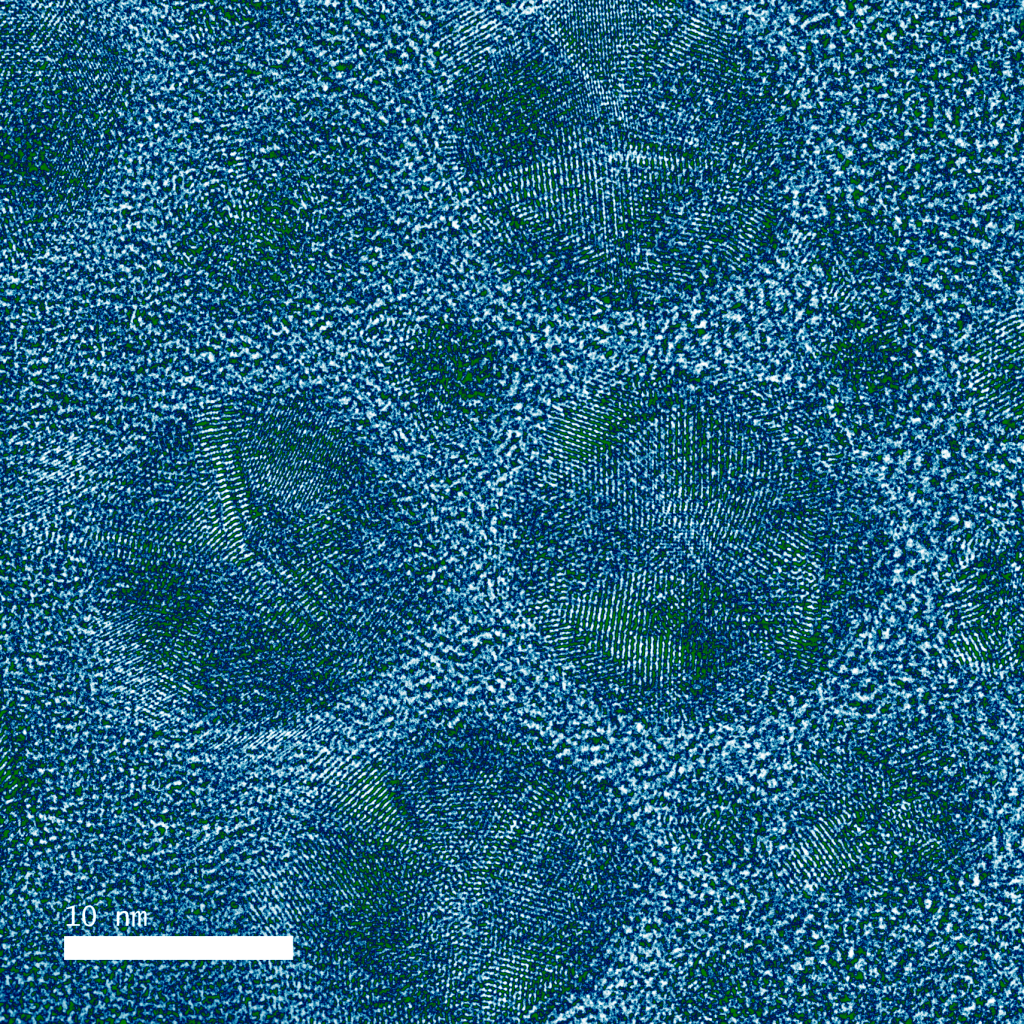
#Nanoionics, #Chalcogenide_nanocrystals, #SolidElectrolytes, #Interphases, #Pressure-resolved_EISIon transport in nanocrystal-derived solids is shaped by more than crystal structure. Particle contacts, grain boundaries, ligands, pressure, electrode interfaces, and interphase evolution can dominate the measured electrochemical response. We develop pressure- and temperature-resolved measurements to distinguish intrinsic transport from contact-limited and interfacial behavior.
Figure 2: Pressure-resolved impedance separates bulk transport from contact and interfacial resistance in nanocrystal-derived solids.
Selected Works:
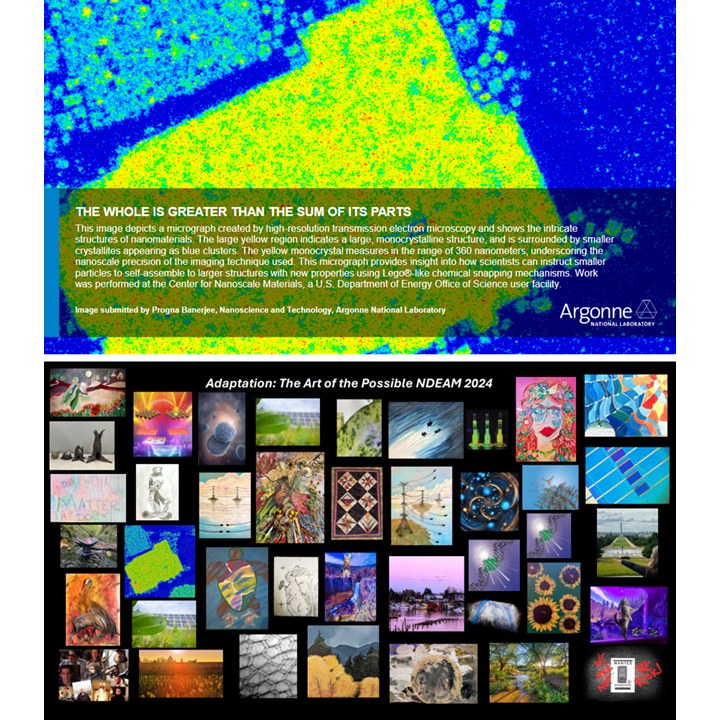
#Strain_Defects, #Superionic_transport, #Advanced_Characterization, #Lithiation_chemistryDefects and lattice distortion can create or suppress ion-transport pathways in metastable nanocrystals. We use electron microscopy, diffraction, and structural analysis to connect local strain, disorder, and phase topology with transport behavior in chalcogenide ion conductors.
Figure 3: Strain and defect mapping provide microscopic evidence for transport-relevant disorder in metastable chalcogenides.
Selected Works:
4. Processable and Data-Guided Ion-Transport Materials #Structure-property_phase_mapping, #Polymer–NC_Electrolytes, #Printable_Materials, #Data-Guided_Discovery
PBEnergyLab studies how nanocrystal surface chemistry, polymer matrices, processing history, and mesoscale connectivity influence ion transport in films and inks. In parallel, we build synthesis–structure–property maps that connect experimental variables with diffraction, microscopy, and electrochemical response.
Figure 4: Polymer–nanocrystal films and data-guided maps link processing, structure, and transport across complex materials libraries.
Selected Works:
PBEnergyLab combines synthesis, characterization, electrochemistry, and data analysis across length scales.
#Colloidal_synthesis, #Hot_injection, #Post-synthetic_ion_exchange, #X-ray_diffraction, #Synchrotron_measurements, #TEM/STEM/EDS/EELS, #Thermal_analysis, #Electrochemical_impedance_spectroscopy, #Pressure-dependent_transport, #Small-data_analysis
Before launching PBEnergyLab, Prof. Banerjee developed a foundation in superionic nanomaterials, metastable nanocrystal transformations, high-pressure chalcogenide phases, electron microscopy, and nanoscale structure–property relationships.
 MATERIALS TECHNOLOGY ENABLED THROUGH HIGH-THROUGHPUT AUTONOMOUS ROBOTS (Argonne) | This work at Argonne established the foundational protocols for my current AI-driven closed-loop discovery pipelines. Material discovery is an arduous process which requires years worth of hard work and thousands of experiments to barely scratch the parameter space for a chosen combination of materials and operating conditions. Using nanoscale transformations and microfluidic technologies, we are striving to create a self-operating lab platform starting with colloidal sample handling, mixing, reactors, followed by in-built characterization tools for quality assessment and measurements of crucial physicochemical properties. |
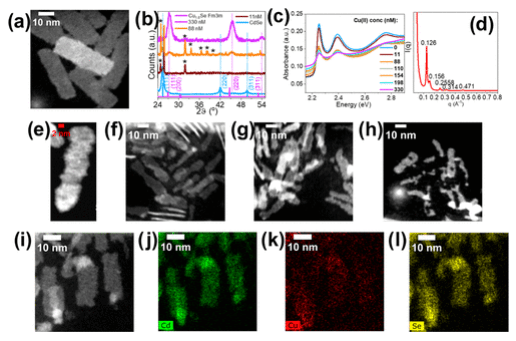 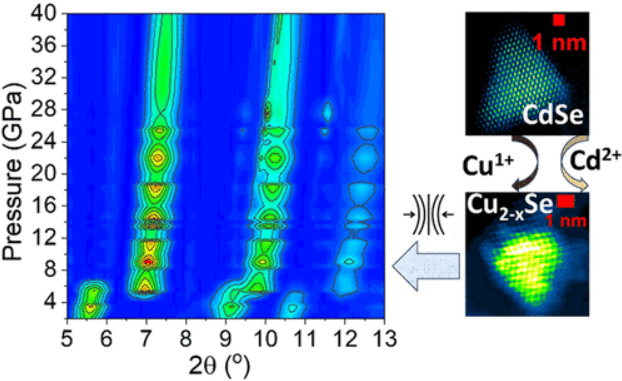 MECHANISTIC INSIGHTS INTO CATION EXCHANGE AND COMPRESSIBILITY OF MESTABLE PHASES WITH CHEMICALLY TUNED SUPERIONIC PROPERTIES (Argonne) | By utilizing a surfactant-encoded cation exchange pathway in 2D atomically thin CdSe nanoplatelets, my lead projects while at Argonne achieved near-complete monovalent copper substitution at room temperature, revealing that oxygen facilitates redox-mediated transformation while precursor valency dictates the preservation of metastable 2D morphologies Furthermore, high-pressure synchrotron studies on these chemically tuned copper selenides using APS beamlines identified a novel, previously unreported CsCl-type B2 phase emerging above 4 GPa, demonstrating that interfacial defects and sintering stabilize unique high-pressure crystalline structures regardless of the initial host symmetry. Chemistry of Materials, 35, 21, 8872-8882, 2023 Nano Letters, 24, 23, 6981–6989, 2024 |
 SUPERIONIC SOLID STATE ELECTROLYTES THROUGH NANOCRYSTAL QUANTUM-DOT SEEDED DISCOVERY (UIUC) | Superionic conductors (top left of embedded figure) are realized with several orders of degrees of higher ionic conductivities where the cationic sublattice “melts” above a phase transition temperature (top right cartoon, Cu ions shown as a blue sea around the red Se anionic sublattice) driving the free movement of cations in the lattice. Nature Communications, 14514, 2017 Angewandte Chemie, 130, 30, 2018 Nature Communications, 10, 1505, 2019 |
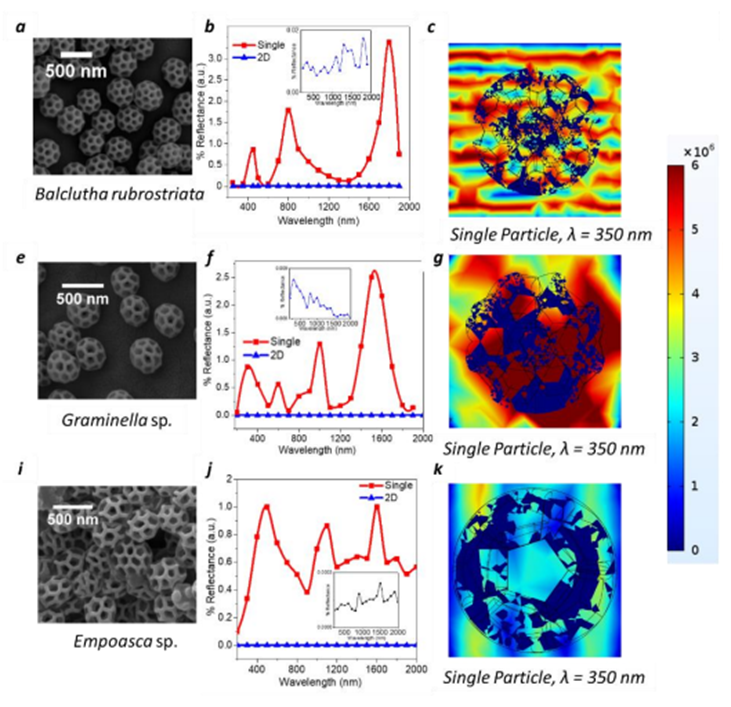 BIOINSPIRED MATERIALS (UT Austin) | Bio-inspired Nanostructures & Light-Matter Interactions: Studied hierarchical inorganic architectures as part of a DoD MURI project. Focused on leading a project with researchers from UT Austin, Northwestern, and UIUC using computational approaches for disseminating the mechanism of anti-reflective origins in insect-derived micro/nanostructures (brochosomes/leafhoppers) through precise morphological control. Advanced Photonics Research, 2200343, 2023 |
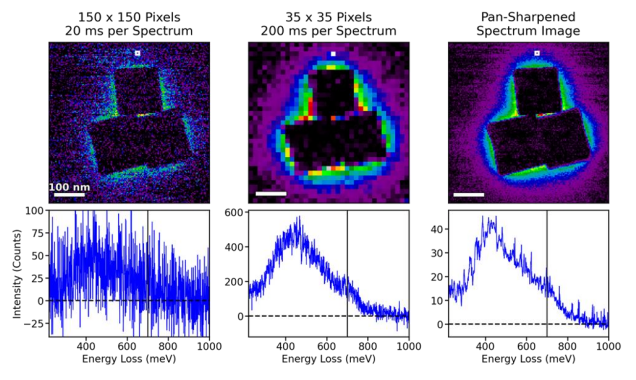 DISSEMINATION OF PLASMONIC MODES USING EELS DATA IN NANOCRYSTAL ARRAYS USING FINITE-ELEMENT SIMULATIONS (UT Austin/ORNL) | There has been a continual push for new experimental methodologies that can provide comprehensive information about a complex system at the nanoscale, while concurrently being time efficient and resulting in high fidelity data. Here, through the use of my computational expertise I contributed alongside the Oak Ridge National Lab ORNL team on disseminating the plasmonic modes resulting from the surface, bulk, edge etc. of a single plasmonic nanomaterial. The Journal of Chemical Physics, 154, 1, 2021 |
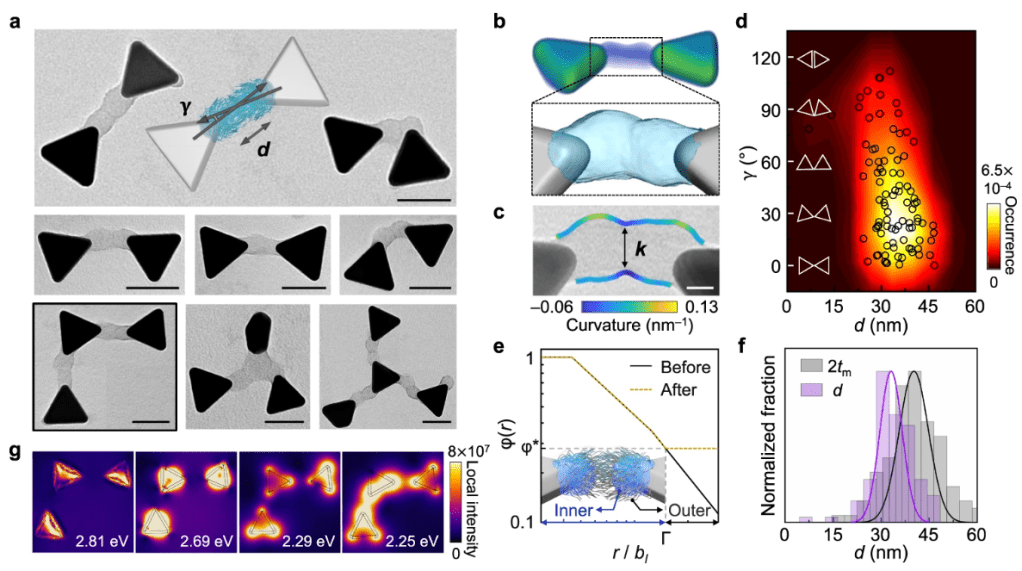 PLASMONIC NEAR-FIELD INTERACTIONS IN NANOPARTICLES UPON SYMMTERY BREAKING VISUALIZED USING ELECTRON MICROSCOPY AND SIMULATIONS (UIUC/UT Austin/U Michigan) | Light-matter interactions in patchy triangular nanoparticles upon symmetry breaking Together with team from UIUC, UT Austin and U. Michigan Nature Communications, 13, 1, 2022 |
 TOPOLOGICAL INSULATING PROPERTIES INDUCED IN NANOCRYSTALS VIA SYMMETRY BREAKING (UIUC) | Topological insulating (TI) properties with conducting surface states but bulk insulating behavior are observed in a few classes of chalcogenides such as Sb-doped Bi2Se3, (Sb, V)2Te3, HgTe and Bi2Se3 etc in single crystals and films. However, in the case of HgSe which exists as a zinc blende crystal structure with semi-metallic properties and a zero band gap, TI properties are not expected. Using cation exchange under ambient conditions, we show the symmetry of the crystal structure can be reduced effectively opening up a non-negligible band gap with current studies using STM-STS techniques underway to confirm the TI behavior in these nanomaterials. Chemistry of Materials, 29, 15, 2017 |